
Visit Carleton! Book your tour today.
Program Details
Buildings are central to society, providing shelter, supporting commerce, and offering spaces to gather and share ideas. They also embody our history, culture and human ingenuity. Improving their design and operation is critical to reducing energy use and greenhouse gas emissions, helping combat climate change. Architectural Conservation and Sustainability Engineering (ACSE) students learn to retrofit existing buildings and design sustainable systems. The program rests on two pillars: heritage conservation and sustainable design. Heritage courses teach students to upgrade historic structures without compromising integrity, while sustainable design courses cover green building, indoor air quality and energy modeling for high-performance buildings.
Carleton’s ACSE program blends architecture and engineering, giving students a strong foundation in building science, design and retrofit. In upper years, you’ll develop technical skills in sustainable, smart, and green building design, restoration, and the latest tools used in industry.
Labs and Facilities
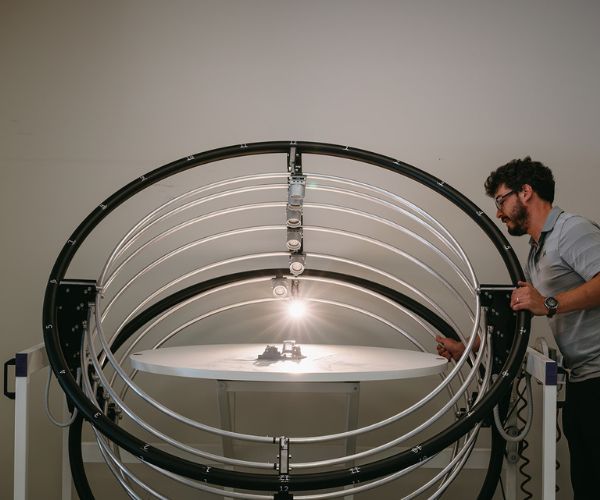
ACSE students at Carleton combine core civil engineering with architectural technology, green building design and heritage conservation. They gain practical experience in labs like the building science and structural engineering labs, used for analysis and retrofit of heritage buildings and design of sustainable buildings.
Co-Op
Carleton offers students a paid Co-op option with work terms of 4, 6, 8, 12 or 16 months. The Department of Civil and Environmental Engineering also offers eligible first-year students the opportunity to participate in a paid, eight-week internship through its First Year Internship Program.
Work Experience
Ottawa is home to one of Canada’s largest concentrations of government agencies and high-tech companies. Many major sustainability and construction research organizations and projects happen in Ottawa, such as the restoration of the Centre Block of Canada’s Parliament Buildings.

Get started in Carleton360 to receive tailored information on our programs, student services and community.

Career Outcomes
Explore your passions, refine new skills and discover the career that’s right for you.
Graduates of the Architectural Conservation and Sustainability Engineering program have been able to work on iconic projects such as the restoration of the Centre Block of Canada's Parliament Buildings.
Sample Courses
ACSE 2001 - Architecture and the Environment
Impacts of the environment on architecture; deterioration, freeze/thaw, solar heat, air pollution, moisture; Impacts of architecture on the environment; ecologic footprint, energy consumption, air quality, waste generation; designing with the environment; renewable energy, effective siting and landscape, passive solar energy, natural lighting, energy efficiency.
ACSE 4601 - Building Pathology and Rehabilitation
Deterioration mechanisms for concrete, timber, steel and masonry structures. Identification of design deficiencies; criteria for selection and design of rehabilitation systems. Design techniques to reduce deterioration in new construction and historical structures.
Visit the Undergraduate Calendar to view a comprehensive list of course offerings for this program and discover the exciting things Carleton students are learning in the classroom!